Views: 0 Author: Site Editor Publish Time: 2026-10-08 Origin: Site
Choosing the right SFP module can affect network performance.
But do you know which option fits your system best?
This article compares SFP module single mode and multimode solutions.
You will learn their differences, applications, and selection tips.
An SFP module is a compact optical transceiver designed for fiber communication systems. The name SFP stands for Small Form-factor Pluggable. It allows network equipment such as switches, routers, and servers to connect through fiber optic cables.
Unlike traditional fixed optical interfaces, SFP modules are hot-pluggable. They can be installed or replaced without shutting down the entire network system. This flexibility makes them popular in modern communication infrastructure.
An SFP module works by converting electrical signals into optical signals. It also converts received optical signals back into electrical data.
The main components include:
Optical transmitter
Optical receiver
Electrical interface
Optical connector
Internal control circuit
The transmitter uses a laser or LED light source to send data through the fiber cable. The receiver detects incoming optical signals and converts them back into electrical signals for network devices.
Most SFP modules use duplex LC connectors. They support separate channels for transmitting and receiving data. This design improves communication stability and reduces signal interference.
Tip: Before purchasing an SFP module, confirm the switch port type, connector type, wavelength, and fiber compatibility to avoid installation issues.
SFP modules are available in different versions based on network speed and transmission distance.
Common categories include:
| SFP Type | Data Rate | Typical Application |
|---|---|---|
| 1G SFP Module | 1Gbps | Enterprise networks and basic fiber links |
| 10G SFP+ Module | 10Gbps | Data centers and high-speed connections |
| 25G SFP28 Module | 25Gbps | Modern server networks |
| 40G/80G/100G Optical Modules | High-speed transmission | Large-scale data centers and backbone networks |
Different speeds require different optical designs. For example, a 10G SFP module may use different wavelengths and fiber types compared with a 25G SFP28 module.
The transmission distance also affects module selection. Short-range connections often use multimode fiber. Long-distance communication usually requires single mode fiber.
Fiber type directly influences network performance. It affects signal loss, transmission distance, and total deployment cost.
The two main fiber options are:
| Fiber Type | Core Size | Transmission Method | Common Use |
|---|---|---|---|
| Single Mode Fiber (SMF) | Smaller core | One light path | Long-distance communication |
| Multimode Fiber (MMF) | Larger core | Multiple light paths | Short-distance networks |
Single mode fiber reduces signal dispersion. It supports longer transmission distances and higher scalability.
Multimode fiber allows multiple light paths inside the core. It is easier to deploy for short-range applications and often provides a lower initial cost.
Choosing between SFP module single mode and multimode depends on several technical factors. These include transmission distance, network environment, cost, and future expansion plans.
A correct selection ensures stable communication performance and reduces maintenance requirements.
The biggest difference between single mode and multimode SFP modules is the fiber structure.
A single mode fiber has a smaller core. It allows only one light path to travel through the fiber. This reduces signal distortion and supports longer communication distances.
A multimode fiber has a larger core. It allows multiple light paths to travel at the same time. This design is suitable for shorter connections but creates more signal dispersion.
The differences can be summarized below:
| Feature | Single Mode SFP Module | Multimode SFP Module |
|---|---|---|
| Fiber Type | SMF | MMF |
| Light Transmission | Single optical path | Multiple optical paths |
| Signal Loss | Lower over long distance | Higher over long distance |
| Main Advantage | Long-range transmission | Cost-effective short-range connection |
Transmission distance is one of the most important factors when selecting an SFP module.
Single mode SFP modules are designed for longer communication links. They are commonly used in telecom networks, campus networks, and enterprise backbone systems.
Multimode SFP modules are mainly used for short-distance connections. They are common in server rooms, data centers, and local area networks.
| Module Type | Fiber Type | Typical Distance | Application |
|---|---|---|---|
| Single Mode SFP Module | SMF | Several kilometers or longer | Telecom, backbone networks, long-distance links |
| Multimode SFP Module | MMF | Short-range transmission | Data centers, LAN systems, server connections |
For example, an SFP module single mode solution using 1310nm wavelength can support longer links than standard multimode solutions.
Tip: Actual transmission distance depends on module specifications, fiber quality, wavelength, and network conditions. Buyers should always check technical datasheets before deployment.
Cost is another important consideration for network projects.
Multimode SFP modules usually have lower deployment costs for short-distance applications. They are suitable when equipment is located within the same building or data center area.
Single mode SFP modules may have a higher initial investment. However, they provide better long-distance capability and future expansion flexibility.
The main cost factors include:
| Cost Factor | Single Mode Solution | Multimode Solution |
|---|---|---|
| Module Cost | Usually higher | Usually lower |
| Fiber Cable Cost | Higher for some applications | Lower for short links |
| Transmission Range | Longer | Shorter |
| Upgrade Flexibility | Higher | Limited by distance |
For businesses planning future network expansion, single mode solutions may provide better long-term flexibility.
Compatibility is a key factor when selecting an SFP module. A physically fitting module does not always guarantee proper operation.
Before installation, check:
Fiber type
Wavelength
Transmission distance
Data rate
Connector type
Switch compatibility
A single mode SFP module must connect with single mode fiber. Using it with multimode fiber may cause signal problems.
Likewise, multimode SFP modules require compatible multimode fiber cables.
Network equipment manufacturers may also require specific module coding. Therefore, buyers should confirm compatibility before ordering large quantities.
Tip: For enterprise projects, testing one SFP module sample before bulk purchasing can reduce compatibility risks and avoid unexpected downtime.
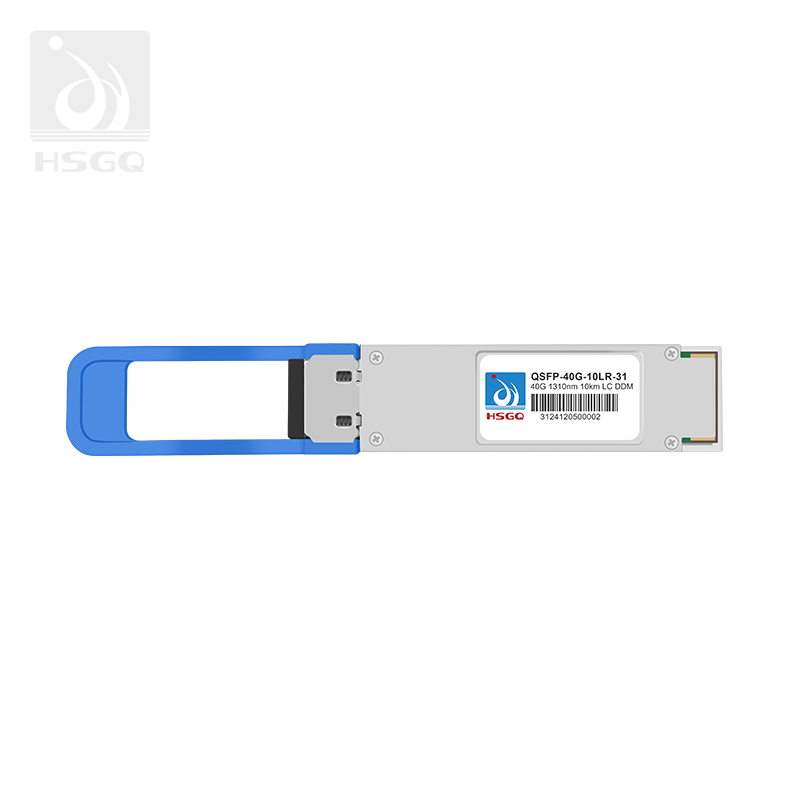
Selecting the correct SFP module requires more than checking transmission speed. Network distance, fiber infrastructure, device compatibility, and future expansion plans all affect the final decision.
For B2B buyers, choosing the right optical module at the beginning can reduce maintenance costs. It also helps create a more stable communication system.
Transmission distance is the first factor to consider when choosing an SFP module.
For short-distance connections, multimode SFP modules are commonly used. They provide efficient data transmission within limited areas. Typical applications include data centers, server rooms, and enterprise LAN networks.
For longer links, SFP module single mode solutions are more suitable. They use single mode fiber to reduce signal loss and support longer communication distances.
| Network Distance | Recommended Solution | Typical Application |
|---|---|---|
| Short distance | Multimode SFP module | Server connection, data center, LAN |
| Medium distance | Standard single mode SFP module | Campus network, enterprise backbone |
| Long distance | Long-range single mode SFP module | Telecom, metropolitan networks |
A proper distance assessment prevents over-specifying the module. It also avoids signal problems caused by insufficient transmission capability.
Network speed is another important factor in SFP module selection.
Different communication systems require different optical transmission rates. Higher-speed modules support larger data volumes but also require compatible devices and fiber systems.
| Data Rate | Optical Module Solution | Common Application |
|---|---|---|
| 1G | SFP Module | Enterprise network connections |
| 10G | SFP+ Module | Data centers and high-speed links |
| 25G | SFP28 Module | Server networks and modern infrastructure |
| 40G/80G/100G | High-speed optical modules | Large-scale data transmission |
For example, a 25G SFP28 module is often selected for newer server environments. A 10G SFP module may still be suitable for existing enterprise networks.
Before upgrading network speed, buyers should confirm:
Switch port support
Fiber cable capability
Module compatibility
Required transmission distance
Tip: When upgrading from 10G to 25G or higher speeds, check the complete optical link instead of replacing only the SFP module.
Network planning should consider future expansion requirements.
Multimode solutions work well for short-range applications. However, their transmission distance is more limited. If a network may expand across buildings or campuses, single mode solutions provide greater flexibility.
Single mode SFP modules are often selected for:
Enterprise backbone networks
Campus communication systems
Telecom infrastructure
Long-distance fiber connections
The following factors should be evaluated before selection:
| Consideration | Single Mode SFP | Multimode SFP |
|---|---|---|
| Future expansion | Excellent | Limited for long distance |
| Network distance | Long range | Short range |
| Installation environment | Large facilities | Local connections |
| Upgrade flexibility | Higher | Moderate |
A correct choice should match both current requirements and future network growth.
Even high-quality SFP modules may experience connection issues during installation or operation. Most problems are related to compatibility, fiber connection, or incorrect configuration.
Understanding common failures helps reduce troubleshooting time.
One common issue is that the network device cannot recognize the installed SFP module.
Possible causes include:
Incompatible SFP module coding
Incorrect installation position
Unsupported data rate
Device compatibility limitations
Recommended troubleshooting steps:
Remove and reinstall the SFP module.
Check whether the switch supports the module type.
Confirm the module speed matches the device port.
Verify firmware or configuration settings.
Some switches require compatible optical modules. Therefore, checking equipment specifications before installation is essential.
Signal instability is another common problem in fiber networks.
Possible causes include:
Dirty LC connectors
Incorrect fiber type matching
Excessive transmission distance
Damaged fiber cables
Solutions include:
Cleaning optical connectors carefully.
Checking whether SMF and MMF cables match the module.
Testing optical power levels.
Replacing damaged fiber cables.
For example, using an SFP module single mode with multimode fiber may cause unstable transmission performance.
Tip: Fiber contamination is one of the most common causes of optical communication failure. Proper cleaning procedures should be included in regular network maintenance.
A network link may fail after replacing an optical module. This usually happens because the new module does not match the existing system.
Common causes include:
Incorrect wavelength
Speed mismatch
Different transmission distance
Fiber cable incompatibility
A troubleshooting checklist includes:
| Check Item | Solution |
|---|---|
| Module specification | Confirm wavelength and data rate |
| Fiber type | Match SMF or MMF correctly |
| Connector | Check LC interface compatibility |
| Network device | Verify switch support |
Testing the replacement module before full deployment can prevent unnecessary downtime.
SFP modules are widely used across different industries. The choice between single mode and multimode depends on network structure and communication distance.
Data centers require fast and stable communication between servers, switches, and storage systems.
Multimode SFP modules are commonly used for short-distance connections inside data centers. They provide efficient performance between nearby devices.
High-speed SFP solutions are also used for modern data center upgrades. These include:
10G SFP+
25G SFP28
Higher-speed optical modules
For short connections inside the same facility, multimode solutions can provide a practical balance between performance and cost.
Telecommunication networks require reliable long-distance transmission.
Single mode SFP modules are widely used because they support longer distances and lower signal attenuation.
Typical applications include:
Fiber backbone networks
Metropolitan area networks
Long-distance communication links
Telecom infrastructure
A single mode solution allows operators to expand network coverage without replacing existing fiber infrastructure.
Enterprise and industrial networks require stable communication between multiple locations.
SFP modules are commonly used in:
Office backbone networks
Industrial Ethernet systems
Security monitoring networks
Building communication systems
The selection depends on the environment. Short-distance industrial connections may use multimode modules, while larger facilities often choose single mode options.
Tip: Industrial environments should consider temperature range, vibration resistance, and equipment compatibility when selecting SFP modules.
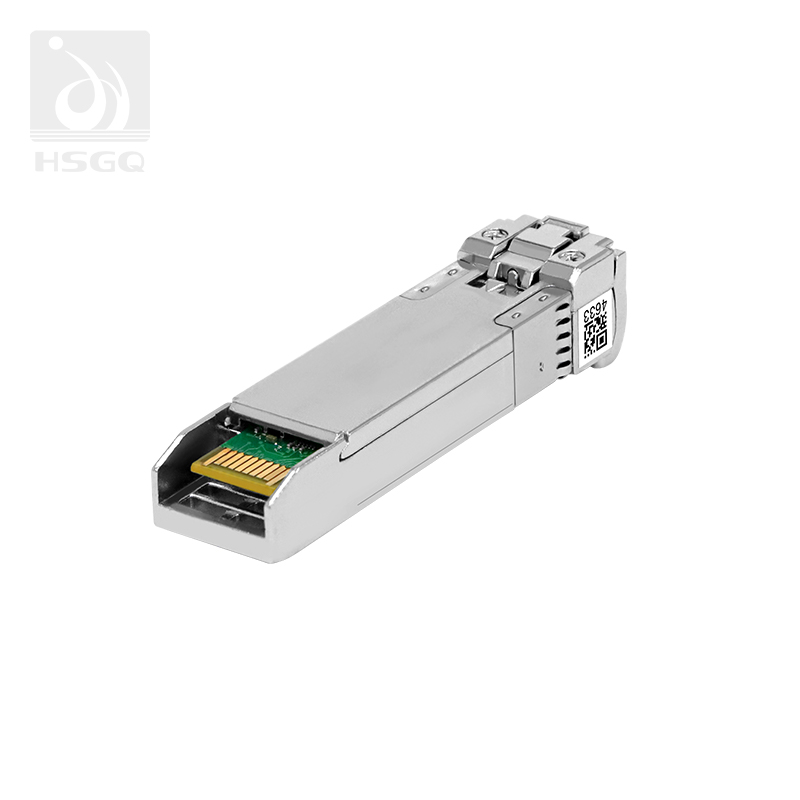
Reliable optical modules help businesses maintain stable network performance. A professional supplier can provide suitable solutions for different transmission requirements.
A complete SFP product range should support different network requirements.
Available solutions may include:
Standard SFP modules
Long-distance single mode modules
Multimode short-range modules
High-speed SFP+ and SFP28 modules
This allows buyers to select the right product based on actual network conditions.
Optical communication depends on stable signal transmission.
Reliable SFP modules should provide:
Accurate optical performance
Stable data transmission
Device compatibility testing
Consistent production quality
Compatibility verification is especially important for large-scale network projects.
Different applications may require customized solutions.
Professional suppliers can support customization options such as:
Transmission distance
Operating wavelength
Connector type
Data rate
Network application requirements
This flexibility helps businesses build communication systems that match their technical needs.
Choosing the right SFP module improves fiber network stability.
This article explains single mode and multimode differences.
TAKFLY provides reliable SFP solutions for various applications.
Its products support different speeds, distances, and network needs.
With stable performance and compatibility, TAKFLY helps customers build efficient optical communication systems.
A: An SFP module single mode uses SMF for long-distance fiber transmission with lower signal loss.
A: SFP module single mode suits long links, while multimode fits short-range data center connections.
A: Choose based on speed, distance, fiber type, wavelength, and device compatibility.
A: Check fiber matching, connector cleanliness, wavelength, and switch compatibility.